


How Away Kits Became Part of the International Growth Story This Pre-Season

Roger Hampel
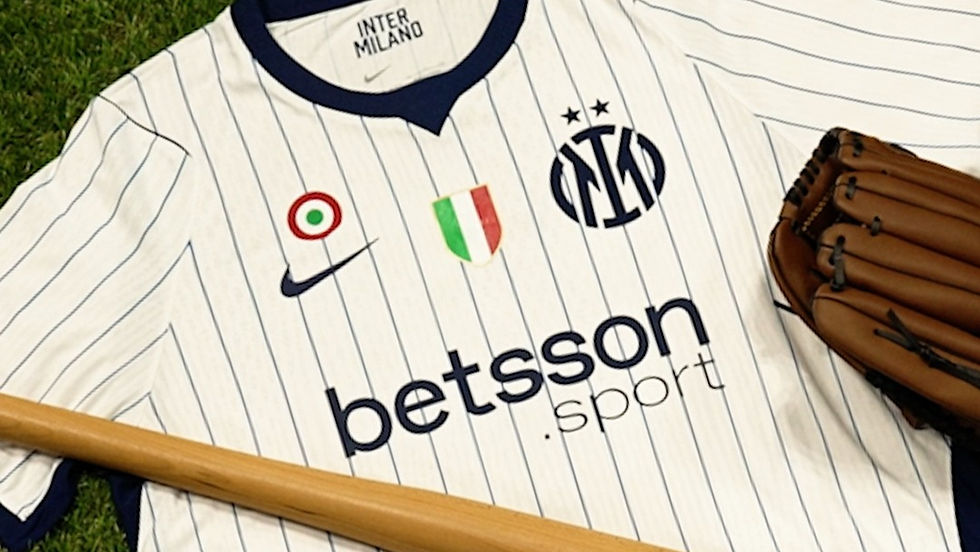
Image: Inter Milan
International kit launches are nothing new in football. Clubs have long used pre-season tours, overseas events and major international moments to introduce new shirts to supporters around the world.
But this summer, several launches caught my attention for a slightly different reason.
The location was not simply where the shirt was unveiled. In some cases, elements of the product itself — or the campaign built around it — reflected the market in which the club was looking to engage supporters.
That leads to my biggest sports marketing takeaway from the 2026 pre-season:
Away kits are becoming increasingly strategic tools for international growth.
Inter, Juventus and Liverpool each offered a different example. Inter incorporated references to American sports culture into its away collection. Juventus created a Hong Kong-specific version of its shirt. Liverpool built a dedicated New York experience around its launch.
Three different approaches, but all point towards an interesting development: a global football product can increasingly be given local relevance.
Inter Translates Its Identity for the US Market
Inter provided perhaps the clearest example. The Italian club launched its 2026/27 away kit in New York during Fanatics Fest NYC, only days before the 2026 World Cup Final.
And there was more to New York than the launch location. The shirt draws heavily on baseball aesthetics, combining vertical pinstripes with a redesigned “IM” monogram influenced by baseball team marks.
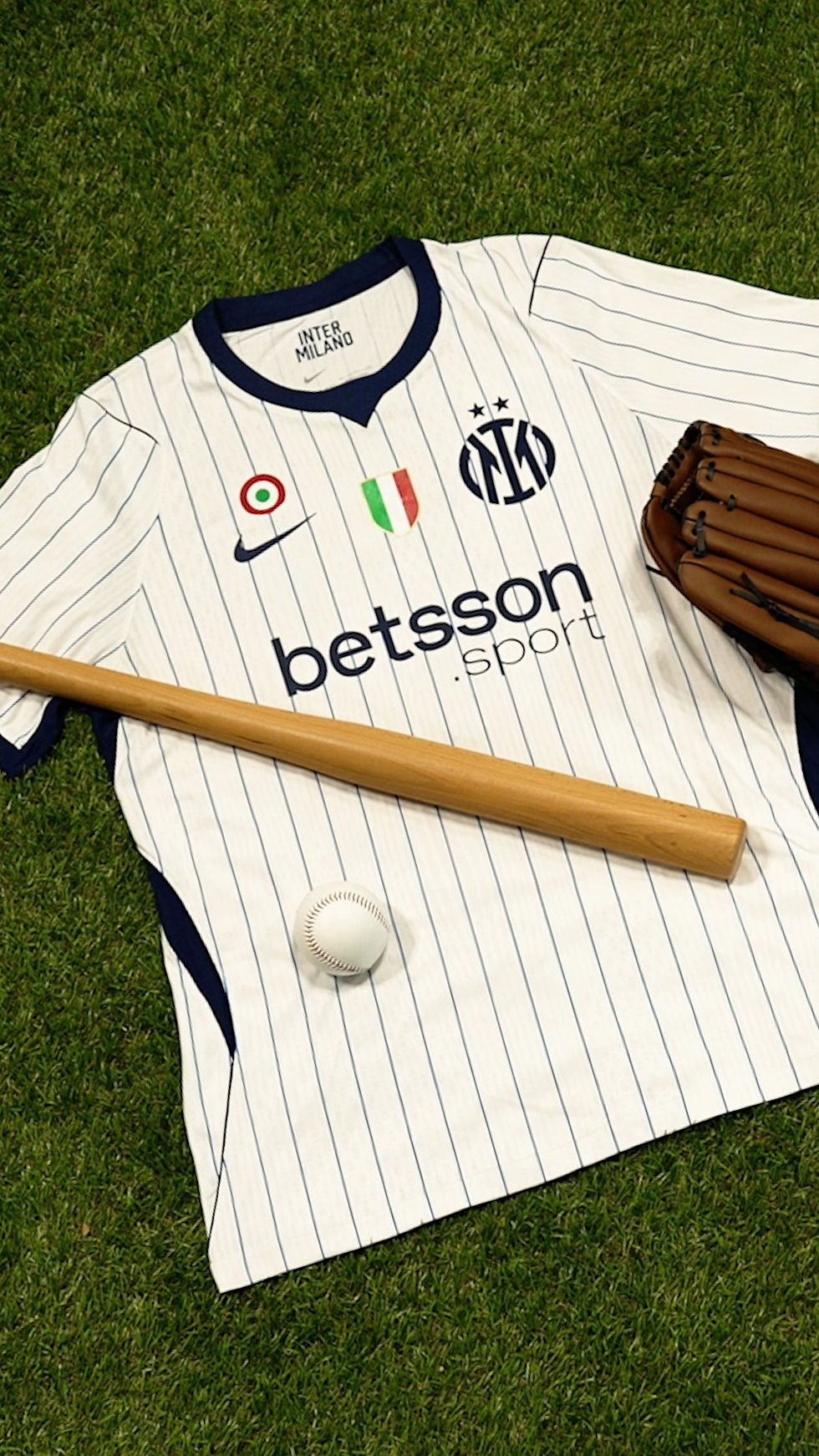
Image: Inter Milan
Inter and Nike extended the concept into an Express Collection featuring a baseball-inspired jersey, jacket and cap. The result was still recognisably Inter, but presented through cultural references familiar to American sports audiences.

Image: Inter Milan
That is what makes the case particularly interesting from an international growth perspective.
It shows how a club can maintain its identity while adapting elements of the product and campaign to create a stronger connection with a specific market.
Juventus Makes Hong Kong Part of the Product
Juventus approached the opportunity differently. During its visit to Hong Kong, Juventus and adidas introduced a special version of the club's away kit featuring player names in Chinese characters.
The names and numbers appeared in fluorescent pink, inspired by the neon signs associated with Hong Kong's visual identity.

Image: Juventus
Importantly, the special edition was not created exclusively for the players. Supporters in Hong Kong could also purchase it.
That gives the activation an additional commercial dimension. The host city becomes part of the product, while supporters receive an edition directly connected with Juventus' presence in their market.
For the club and manufacturer, it also creates a distinctive retail product around an international fixture without requiring an entirely separate kit.
Liverpool Builds a New York Experience
Liverpool offered a slightly different variation on the idea.
The club launched its new Away Kit through a dedicated event in Brooklyn — described as a “Liverpool meets New York experience” — before wearing it for the first time at Yankee Stadium.

Image: Liverpool FC
The localisation was less about the shirt itself and more about the activation surrounding it. But it points in a similar direction: leveraging the Away Kit launch as an opportunity to create a locally relevant moment in a strategically important international market.
Why Away Kits Offer More Freedom
This is where away kits become particularly interesting commercially.
Home shirts naturally come with expectations around colours, heritage and tradition.
Away kits generally offer clubs and manufacturers more room to experiment.
That flexibility can create opportunities to explore different designs, reference local sports or visual culture and develop campaigns connected with strategically important international markets.
It does not mean every away shirt will be designed for a specific country or city.
Nor does it mean international expansion is suddenly determining kit design.
But the examples from this summer suggest that the away kit can become another asset within a club's international marketing strategy.
From Global Product to Local Relevance
International kit launches themselves are well established.
What stood out this summer was how clubs such as Inter and Juventus connected elements of the actual product with the markets surrounding their international activity.
Inter leveraged references familiar to American sports culture.
Juventus incorporated Hong Kong's visual identity into a special version available locally.
Liverpool demonstrated how the launch environment itself can connect a global football product with a specific city.
The executions are different, and it would be premature to describe them as a fundamental shift in football merchandising.
But they illustrate an interesting direction. As clubs continue building audiences internationally, the question is not only how widely a product can be distributed.
It is also how relevant that product can feel in the markets where clubs want to build stronger relationships. Away kits offer an unusually flexible canvas for doing exactly that.
Not just a shirt sold globally.
A global product that can increasingly be made relevant locally.


Comments