


FIFA Confirms Halftime Show for 2026 World Cup Final as Part of Expanded Entertainment Strategy.

Roger Hampel
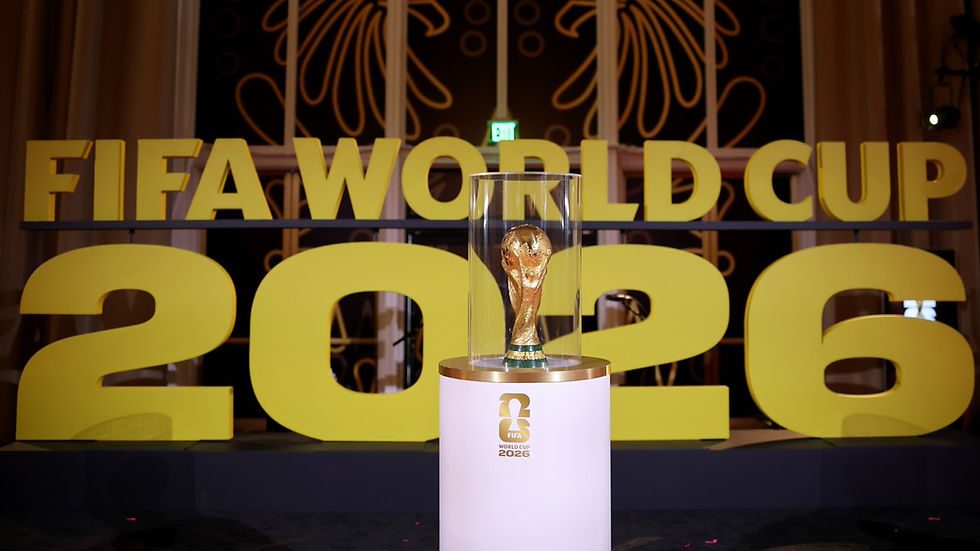
Image: FIFA
During the final draw for the 2026 FIFA World Cup, held on 5 December 2025 in Washington, D.C., FIFA president Gianni Infantino confirmed that the tournament’s final will feature the first-ever Super Bowl–style halftime show.The announcement signals a major shift in the event’s commercial and entertainment strategy, aligning the World Cup more closely with the U.S. sports-entertainment model as the competition heads to North America for the first time since 1994.
The decision comes at a moment when FIFA is preparing for the largest World Cup in history — 48 teams, 16 host cities across the United States, Canada and Mexico, and unprecedented global broadcasting reach.
A Strategic Move Driven by Media Economics and Changing Consumption Patterns FIFA Halftime Show
The introduction of a halftime show reflects FIFA’s broader ambition to expand the event’s cultural footprint and maximise value during the most lucrative minutes of the broadcast. The World Cup final already attracts one of the highest audiences in global sport, but unlike the Super Bowl, it has traditionally avoided major in-match entertainment programming.
A halftime show creates new commercial inventory:
sponsorship packages specific to halftime programming,
branding integration tied to performer partnerships,
additional broadcast and streaming rights windows,
expanded digital and social media activations.
For broadcasters, it provides premium content that can help counter fragmentation in audience habits — a challenge that all major sports properties currently face.
Why the Announcement Matters for FIFA’s Commercial Model
The 2026 tournament is expected to generate record commercial revenues across media rights, sponsorship and hospitality. Introducing entertainment-driven programming aligns the event with North American expectations while opening new pathways for global revenue.
The halftime show also allows FIFA to:
diversify its product ahead of future rights negotiations,
appeal to younger and entertainment-oriented demographics,
and expand non-football storytelling opportunities that extend beyond the 90 minutes of play.
For partners and sponsors, the halftime slot represents a high-absorption moment with strong engagement metrics, similar to Super Bowl advertising cycles.


Comments